our history
The Beginning
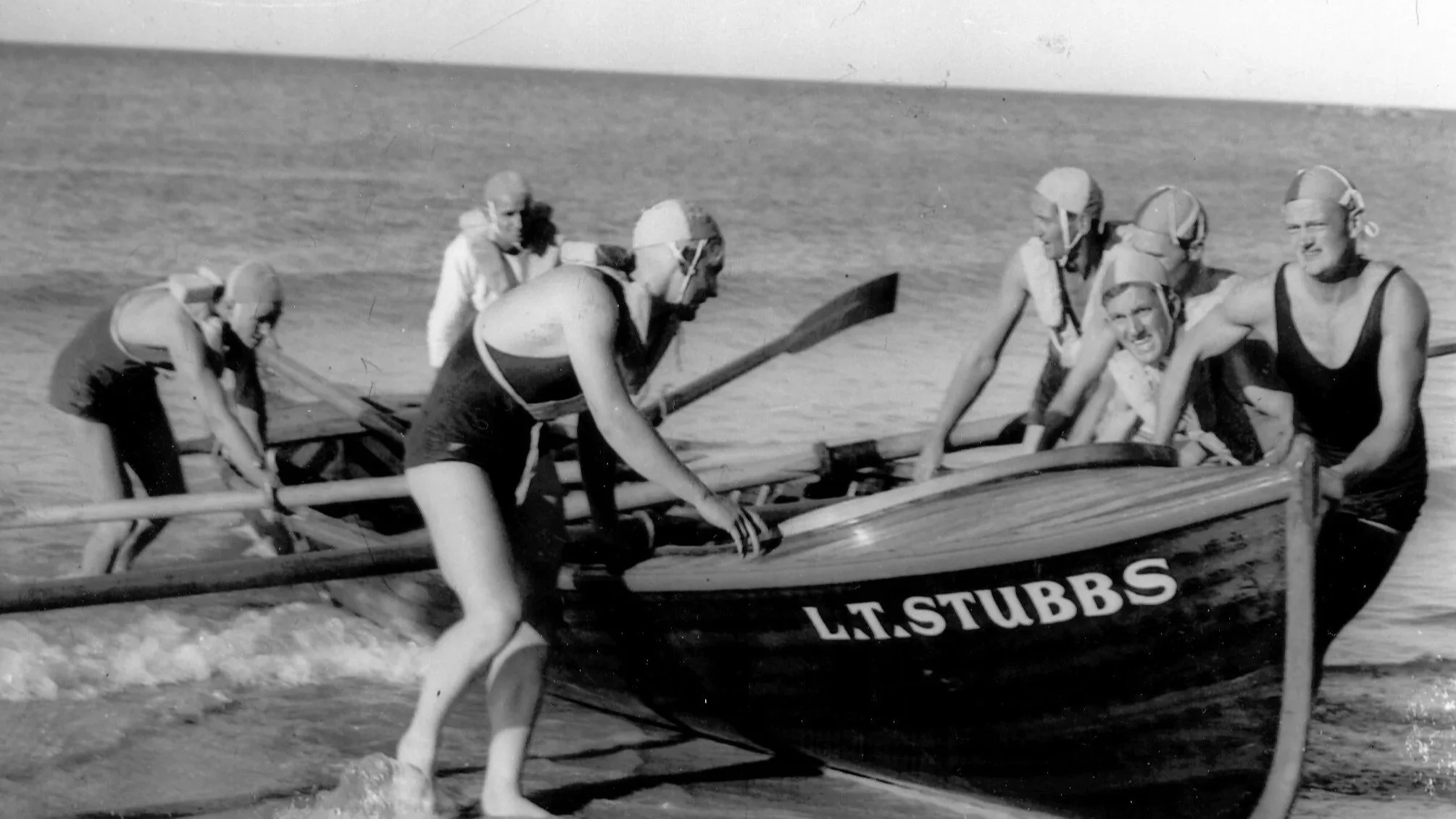
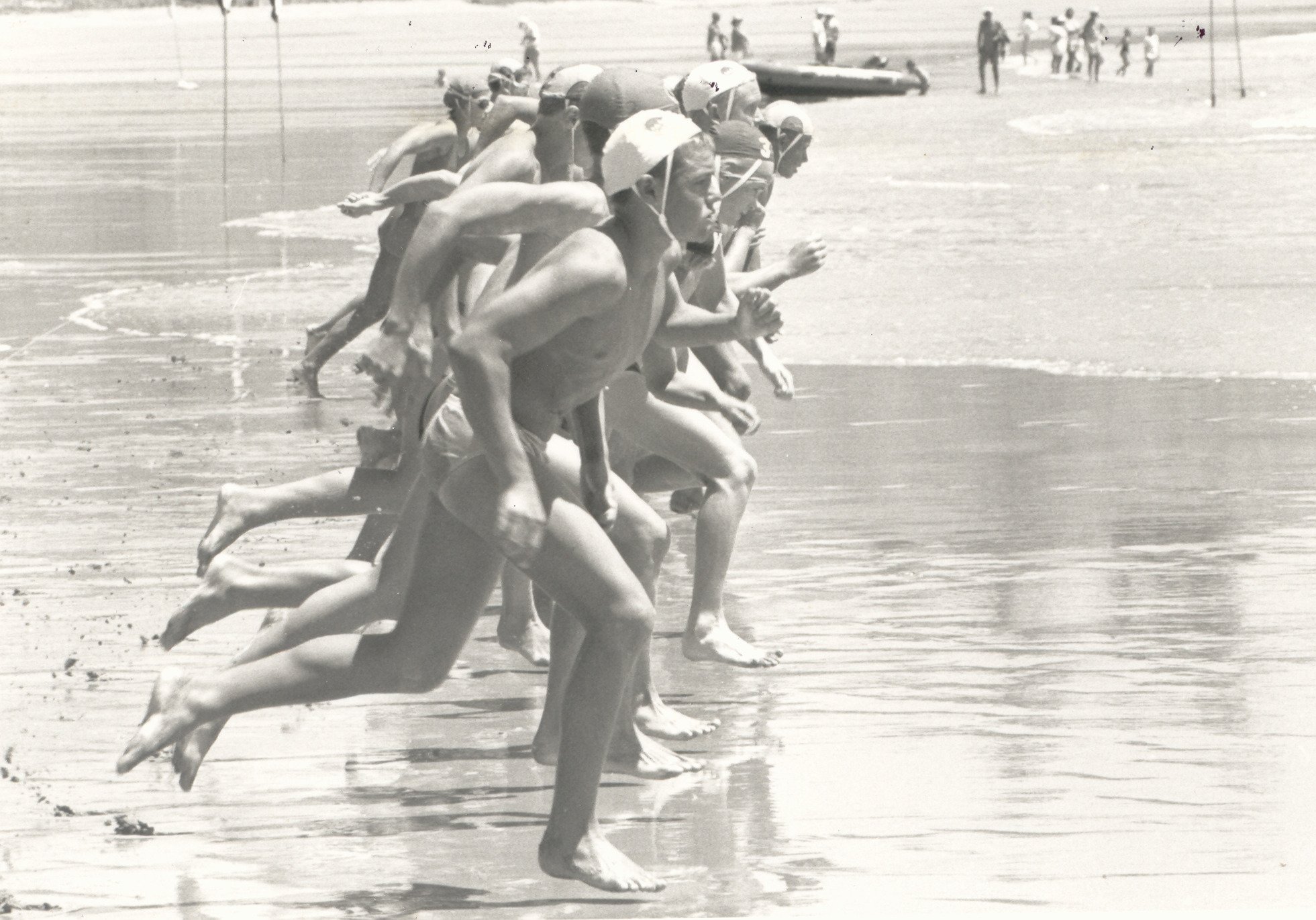
Surf Life Saving in Australia began in 1907, when volunteer clubs formed on Sydney's beaches in response to increasing drownings as beach bathing became more popular.
What started as local beach patrols has grown into a national movement dedicated to saving lives, promoting water safety, and supporting communities.
Over time, surf lifesaving has evolved to include modern rescue techniques, advanced training, and the use of new technologies.
Today, Surf Life Saving Australia is one of the country’s largest volunteer organisations, with more than 300 clubs and over 200,000 members nationwide continuing a proud tradition of community service that has helped to save hundreds of thousands of lives.
Surf Life Saving in Tasmania
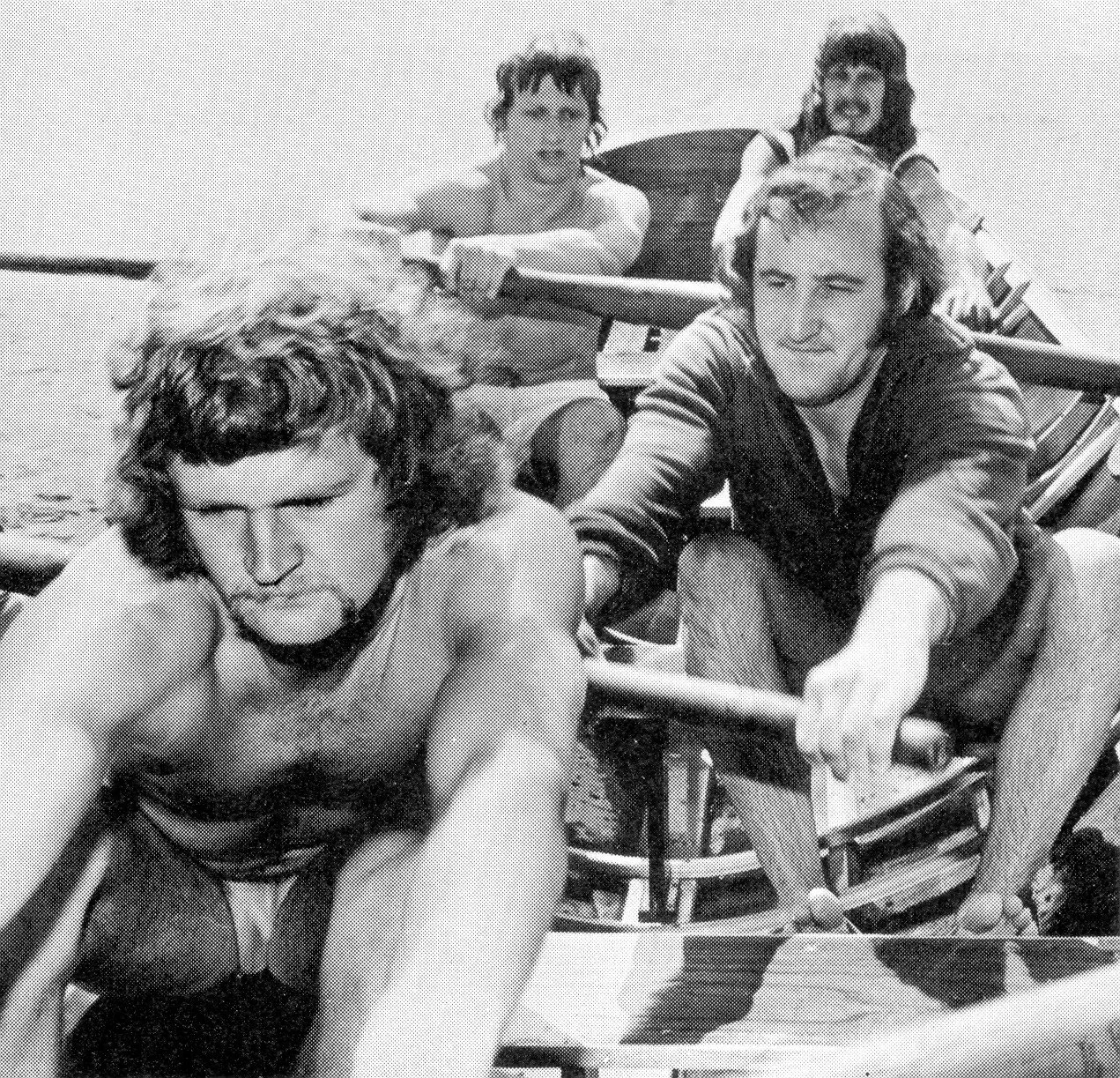
Surf Life Saving has a proud history in Tasmania dating back to 1921, with the establishment of Burnie Surf Life Saving Club.
Since then, Surf Life Saving Tasmania has grown into a statewide network of surf lifesaving clubs and volunteer marine rescue services, working together to keep people safe in, on and around the water.
Historic Timeline
-
1902–1921
1902 – William Gocher forms the first lifesaving patrol at Manly Beach, NSW.
1903 – Laws changed to allow daylight bathing.
1907 – Surf Life Saving Australia formed.
1910 – Bronze Medallion award introduced.
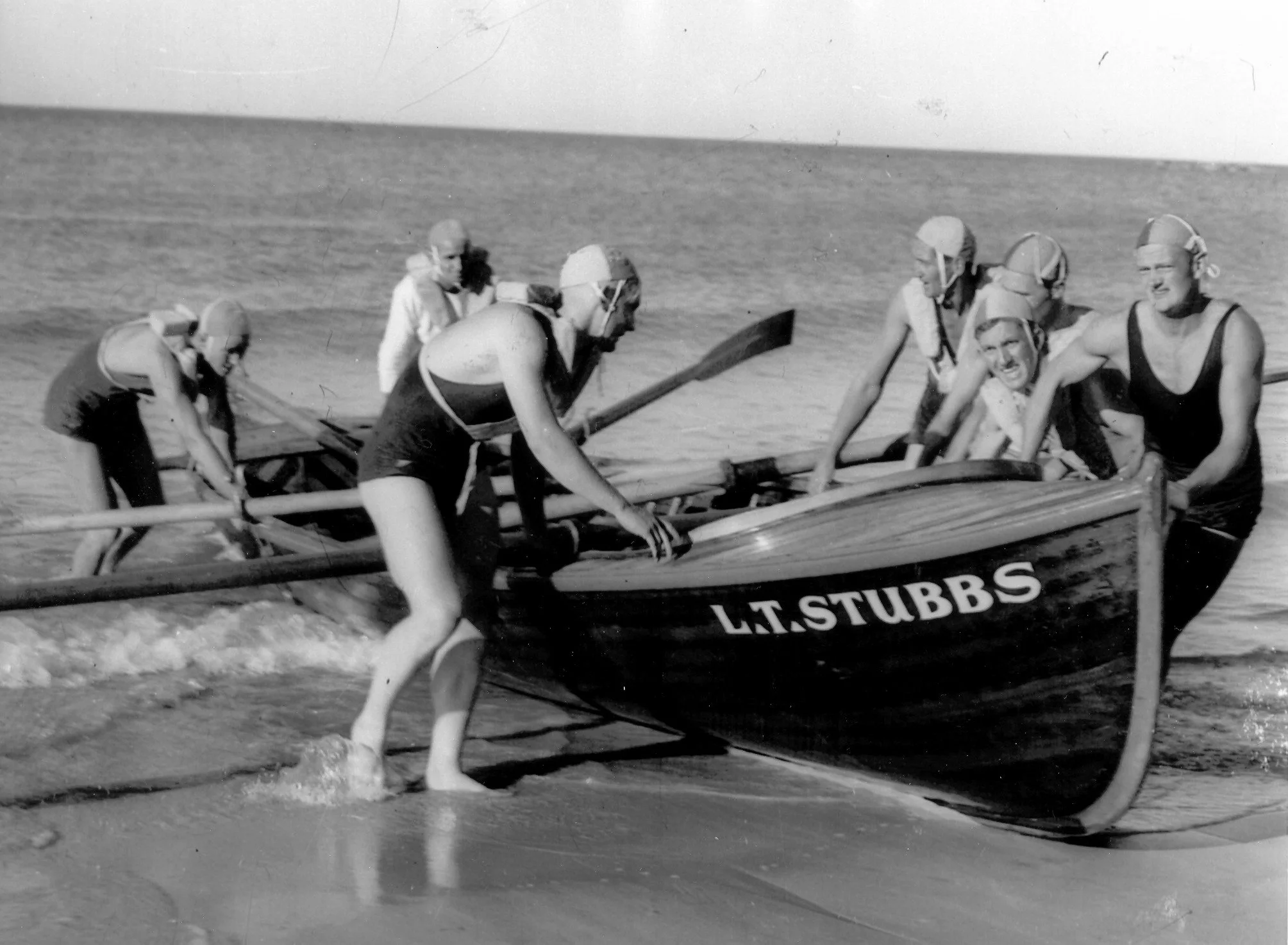
1919 – The Burnie Tourist and Progress Association arranged with the local council to install lifesaving apparatus on South and West Beaches. Early discussions began around the establishment of a club in Tasmania.
1921 – Tasmania’s first surf life saving club established in Burnie.
-
1927–1948
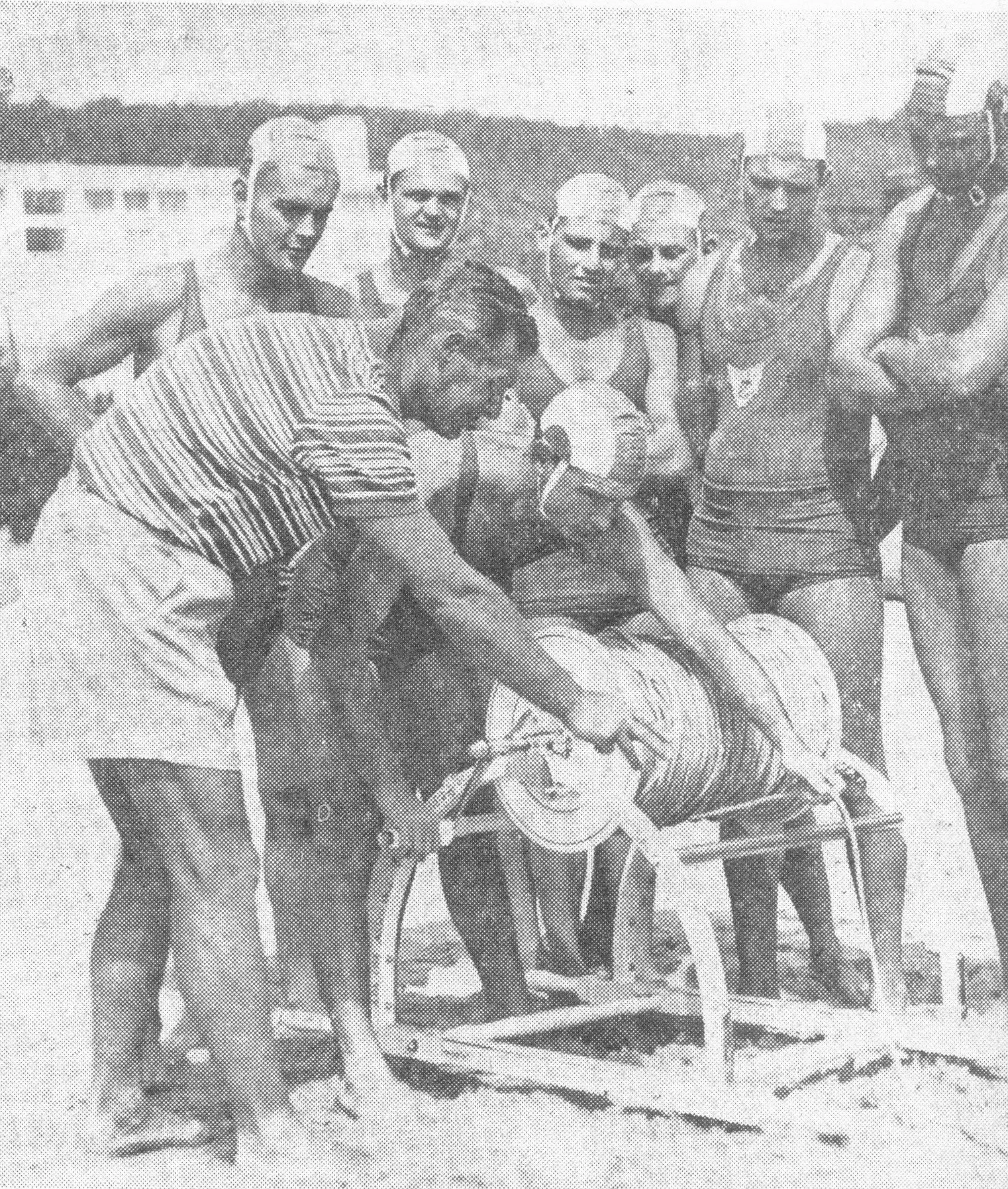
1927 – Devonport SLSC established.
1928 – Ulverstone SLSC established.
1930 – Penguin SLSC established.
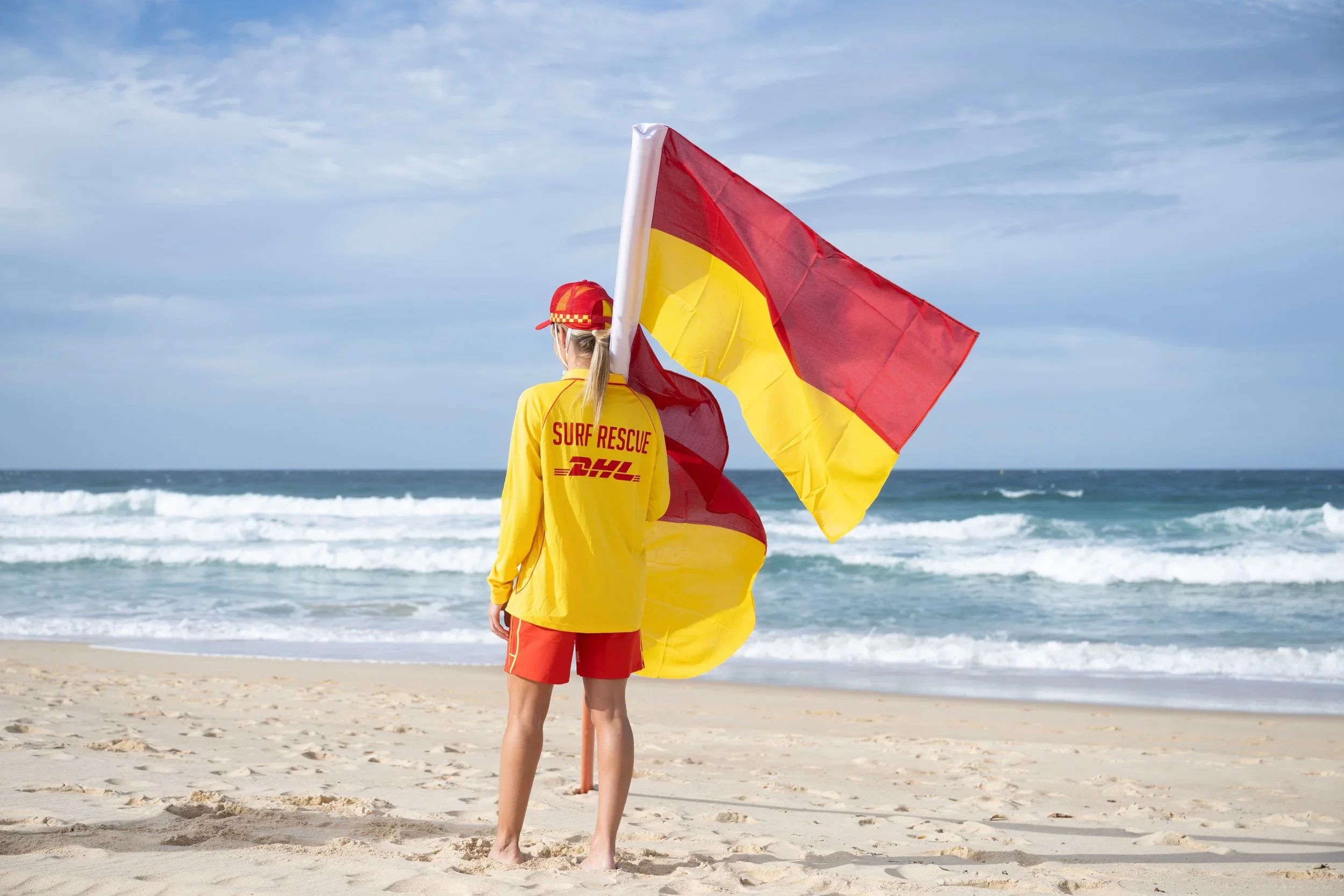
1935 – Red and yellow flags introduced.
1939 – Red and yellow caps introduced.
1948 – Tasmanian State Centre established.
-
1952–1963
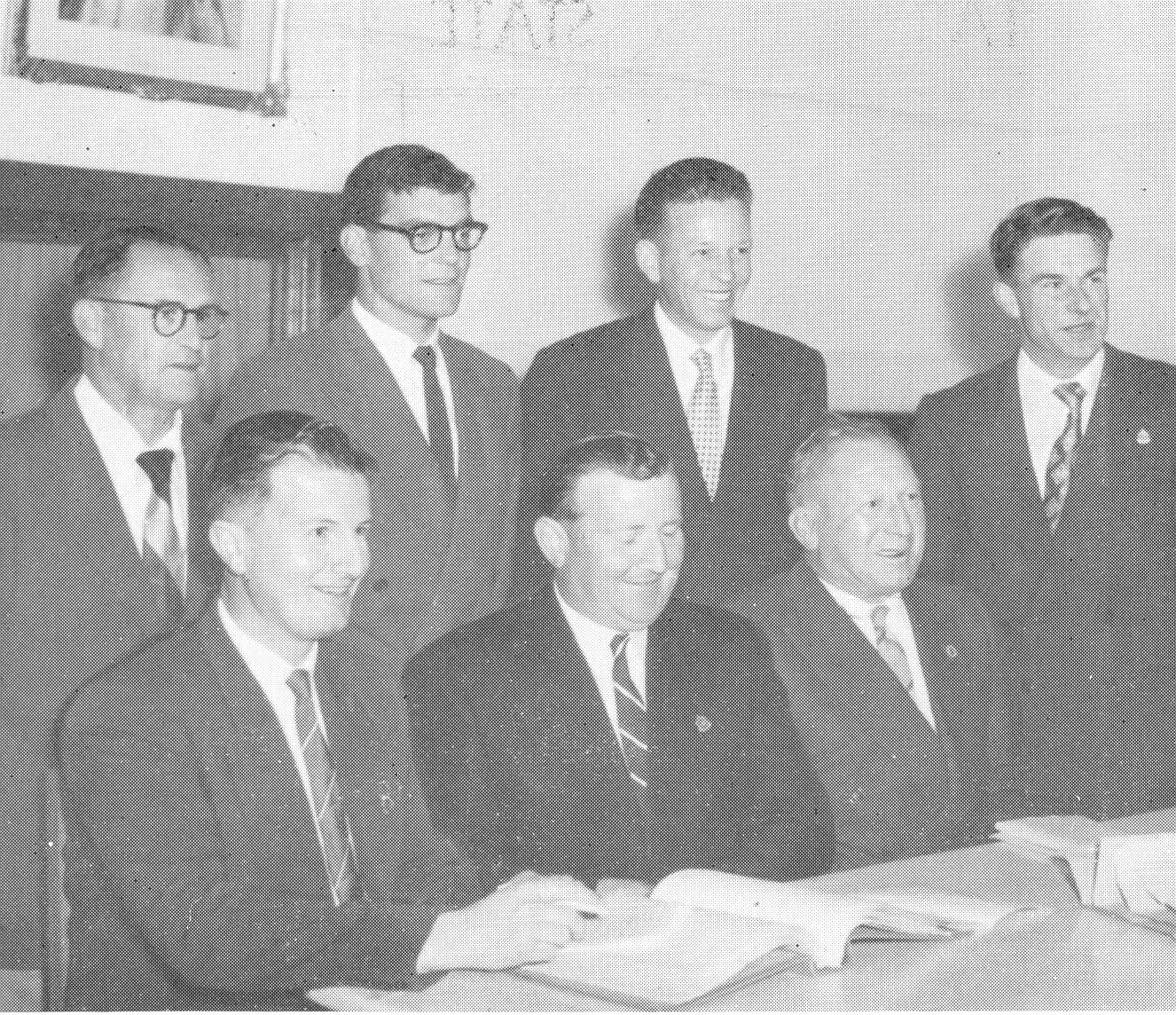
1952 – Low Head SLSC established (went into recess in 1983).
1953 – Stanley SLSC established (went into recess in 1961).
1957 – Hobart Carlton SLSC established, the first club in southern Tasmania.
1959 – Park Beach SLSC established.
1960 – Expired air resuscitation, otherwise known as ‘mouth-to-mouth’, adopted by surf lifesaving.
1963 – Clifton Beach SLSC established.
-
1965–1980
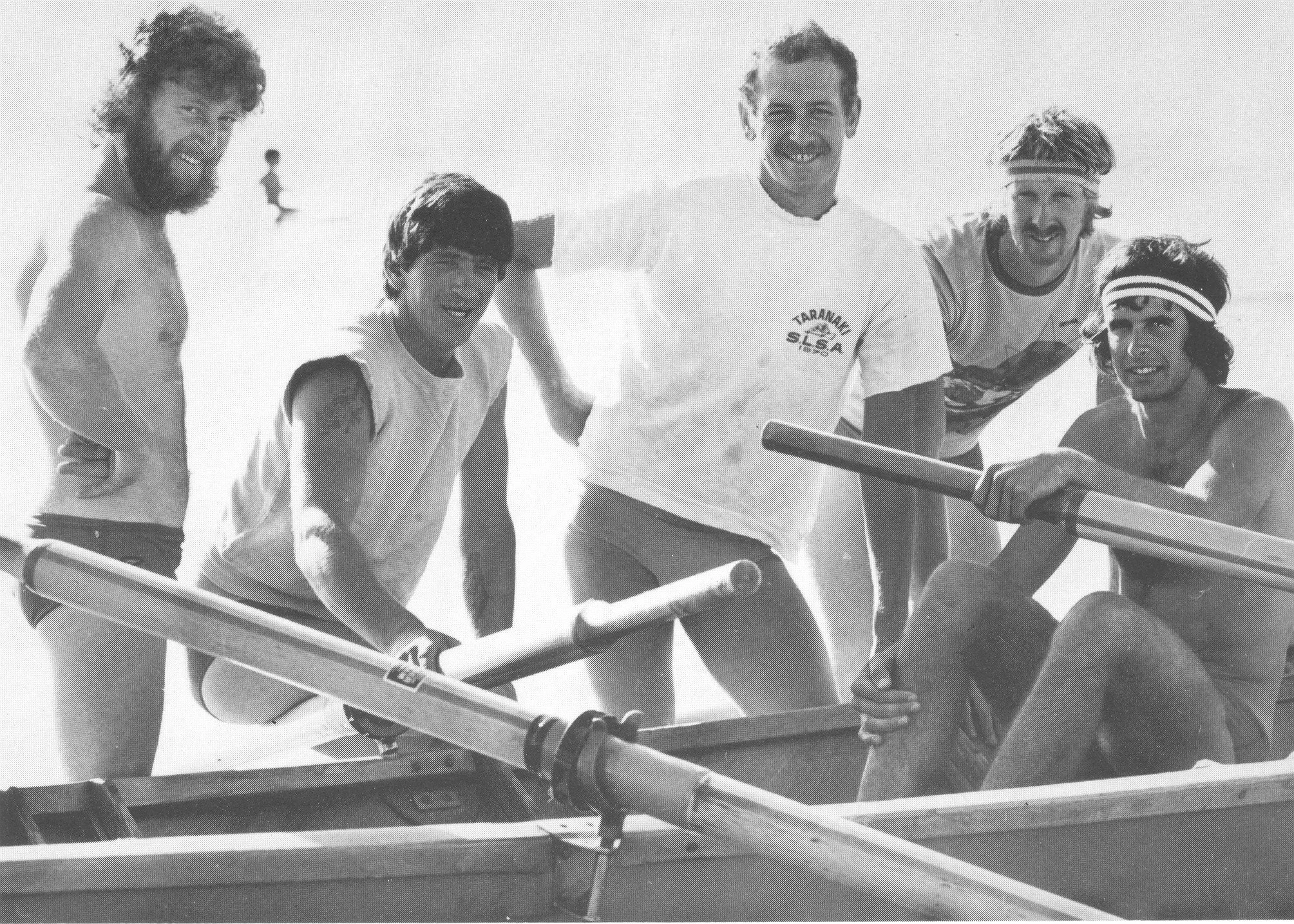
Mid 1960s – Nippers Programs started.
1969 – Somerset SLSC established.
1975 – Hobart Carlton and Park Beach SLSCs merge to form Carlton Park SLSC.
1980 – Women are welcomed to train at surf lifesaving clubs and can complete their Bronze Medallion.
-
1984–1998
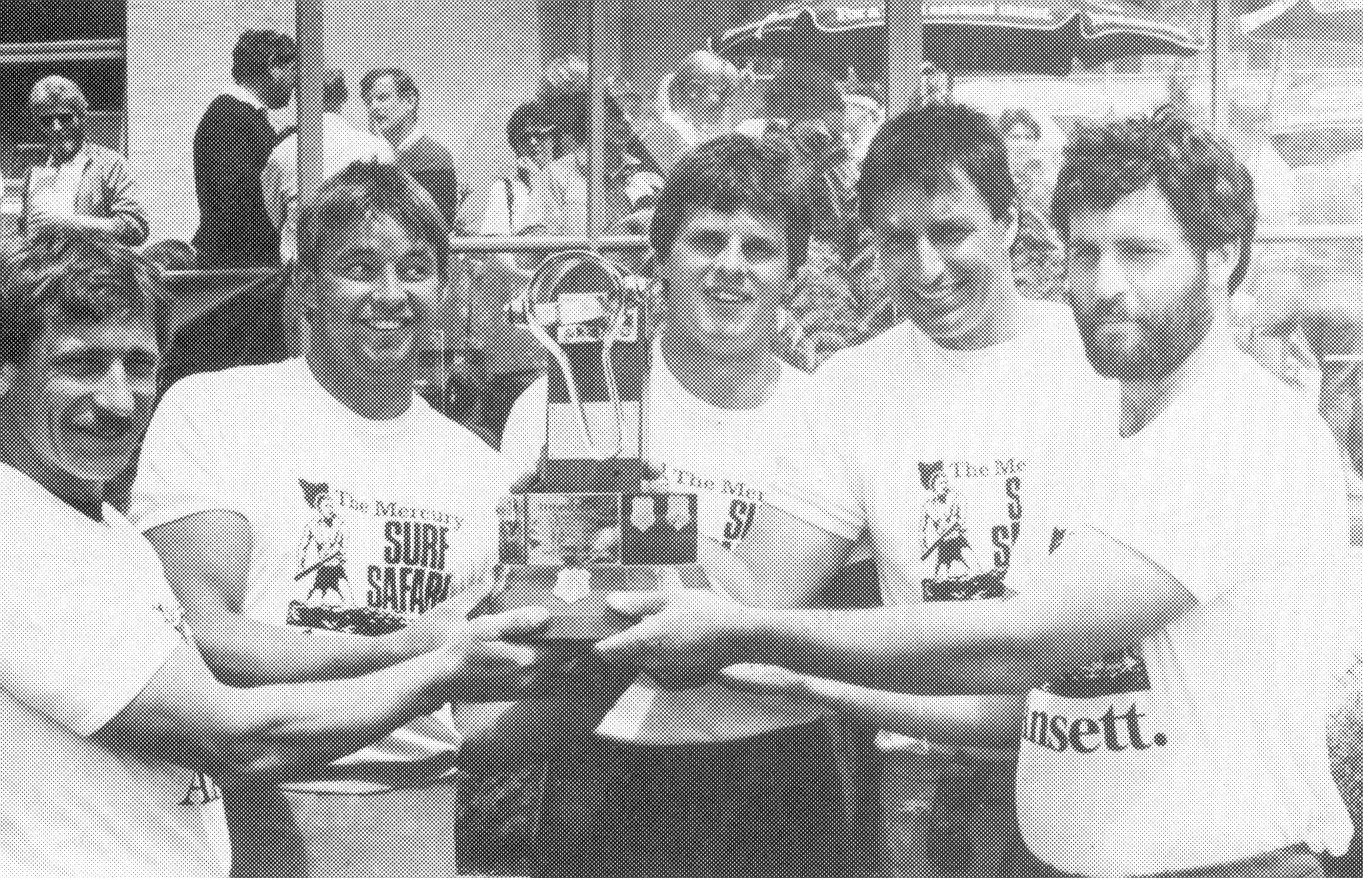
1984 – Boat Harbour Beach SLSC established.
1985 – Port Sorell SLSC established (went into recess in 1998).
1991 – Bicheno SLSC established.
1998 – Launceston LSC established.
1998 – 50 Years of State Centre celebrated at Penguin SLSC.
-
2003–2010
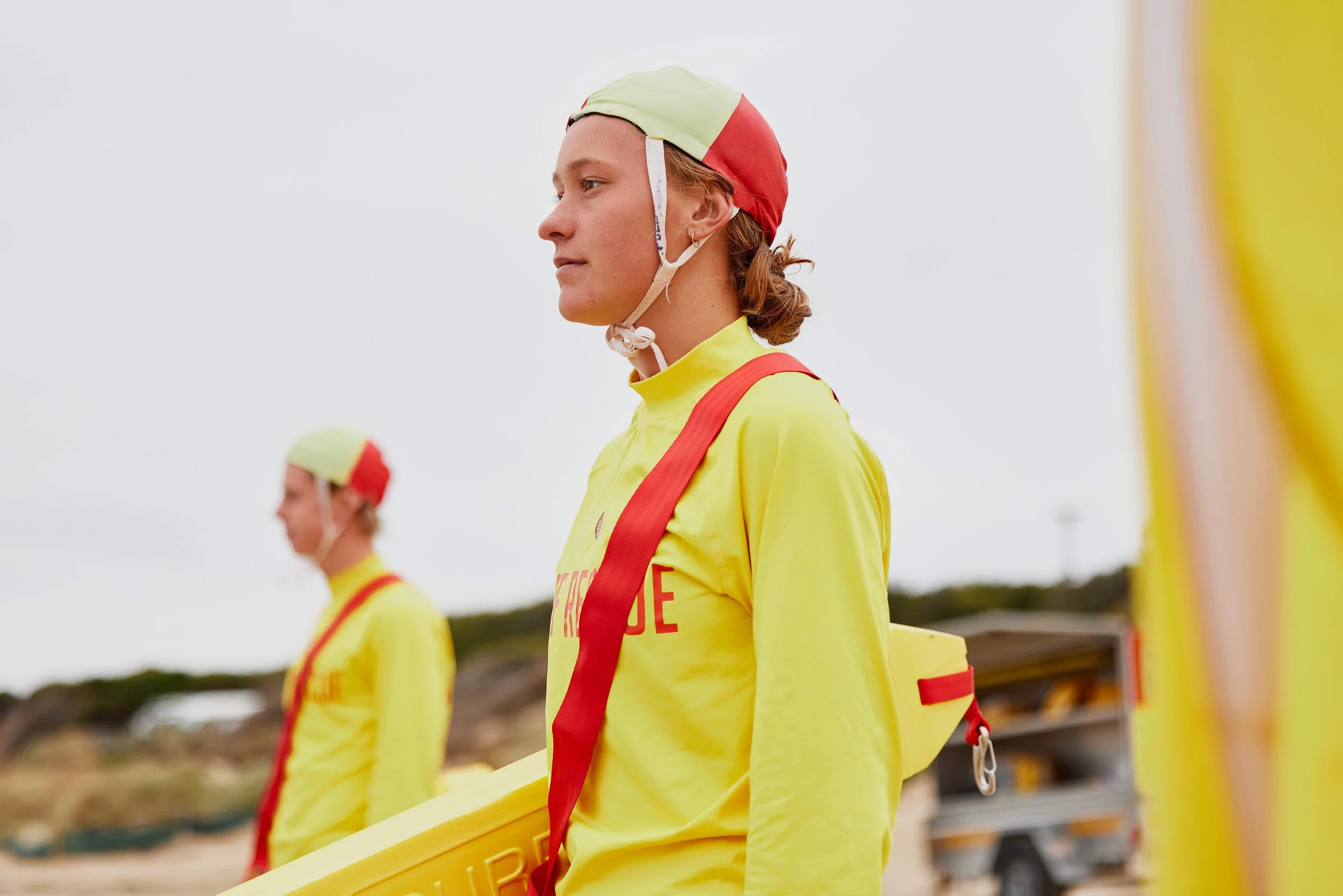
2003 – Port Sorell SLSC reformed.
2005 – Scamander SLSC established (originally East Coast SLSC).
2007 – National Year of the Lifesaver, celebrating 100 years of surf lifesaving in Australia.
2009 – Kingston Beach SLSC established.
2010 – Bridport SLSC established.
2010s – Integration of marine rescue and emergency response capability.
-
2011–2018
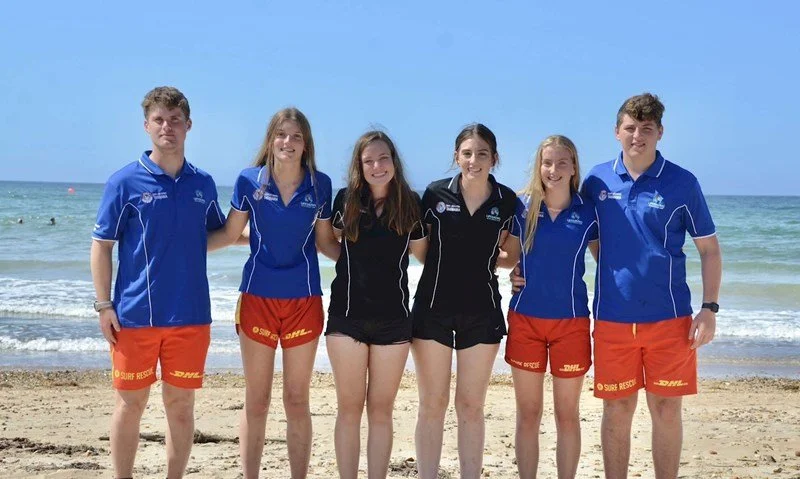
2011 – Tamar Sea Rescue affiliated with SLST.
2015 – Wynyard and Kingborough VMRs affiliate with SLST.
2018 – Raspins Beach SLSC established (fully affiliated in 2024).
-
2020–Current
2020 – SLSA celebrates 40 Years of Women in Surf Lifesaving.
2021 – Centenary of the Burnie SLSC.
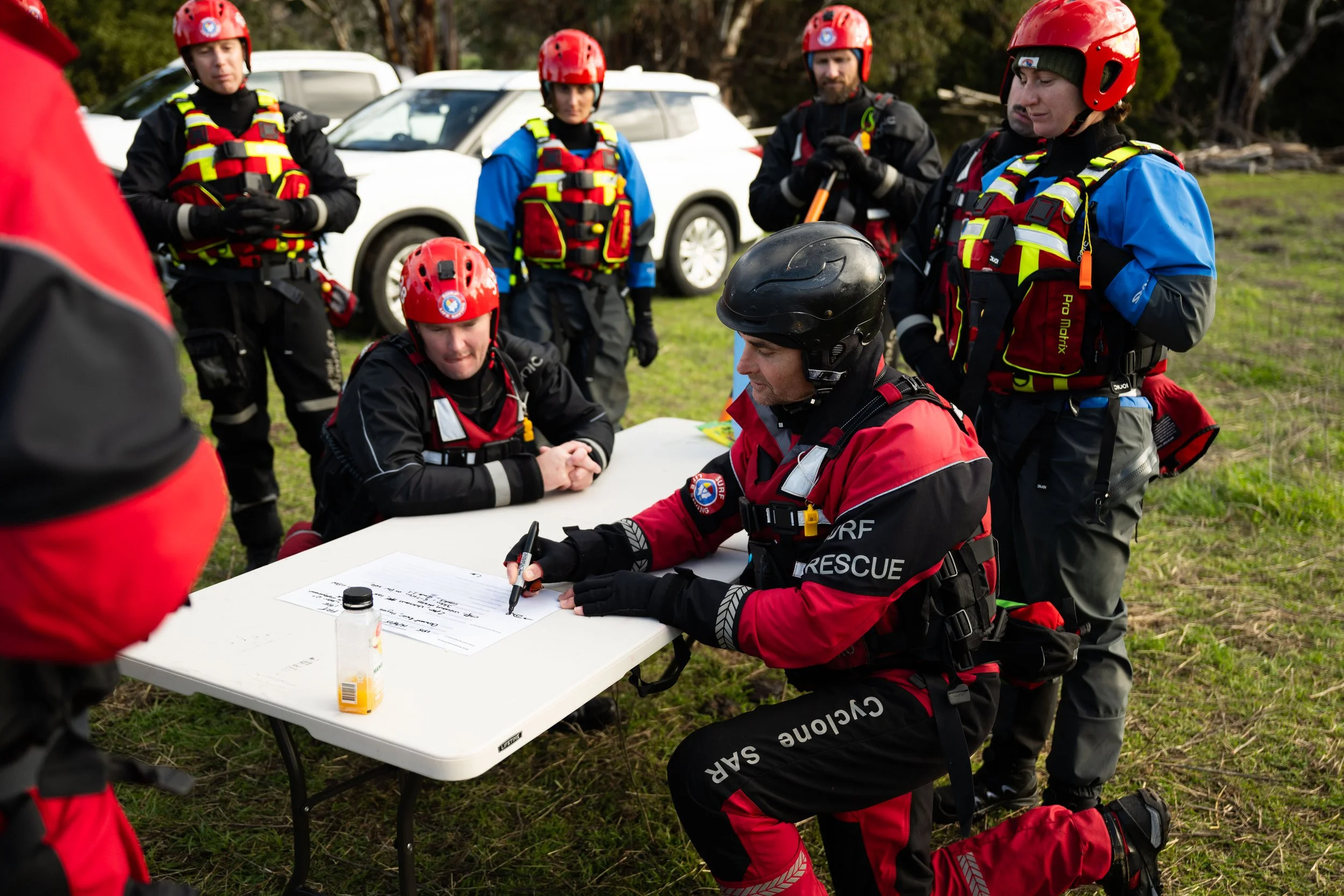
2022 – Flood and Swiftwater Rescue Teams deployed to NSW floods.
2023 – SLST chosen by SLSA as the National Centre of Excellence for Flood and Swiftwater Rescue.
2024 – Surf Lifesavers assist with a major swiftwater rescue of a trapped rafter on the Franklin River.