

Safety and risk management
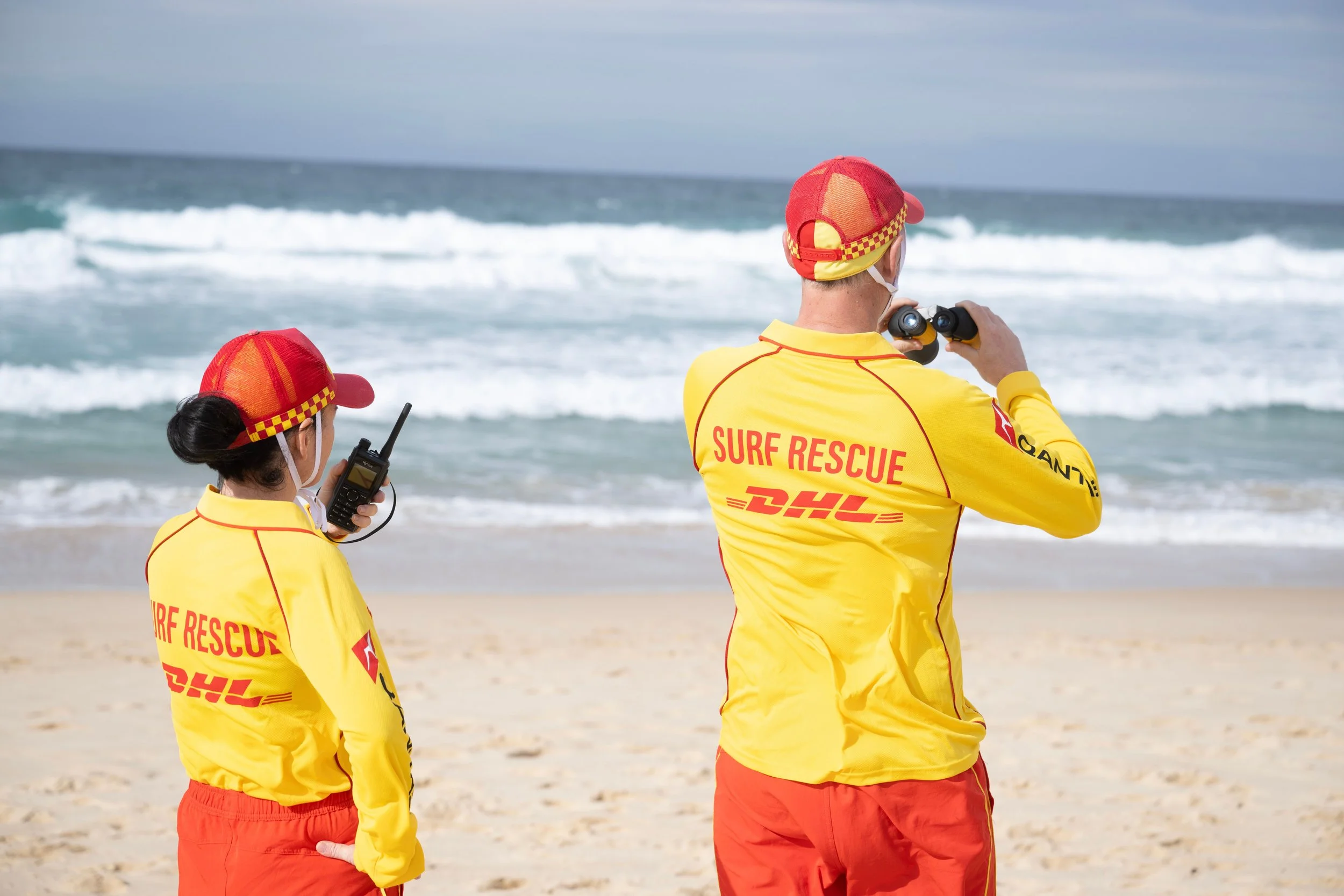
Keeping our members and communities safe
Safety is fundamental to everything we do in Surf Life Saving.
Clubs are responsible for ensuring activities are planned and delivered safely, with appropriate risk management and supervision in place.
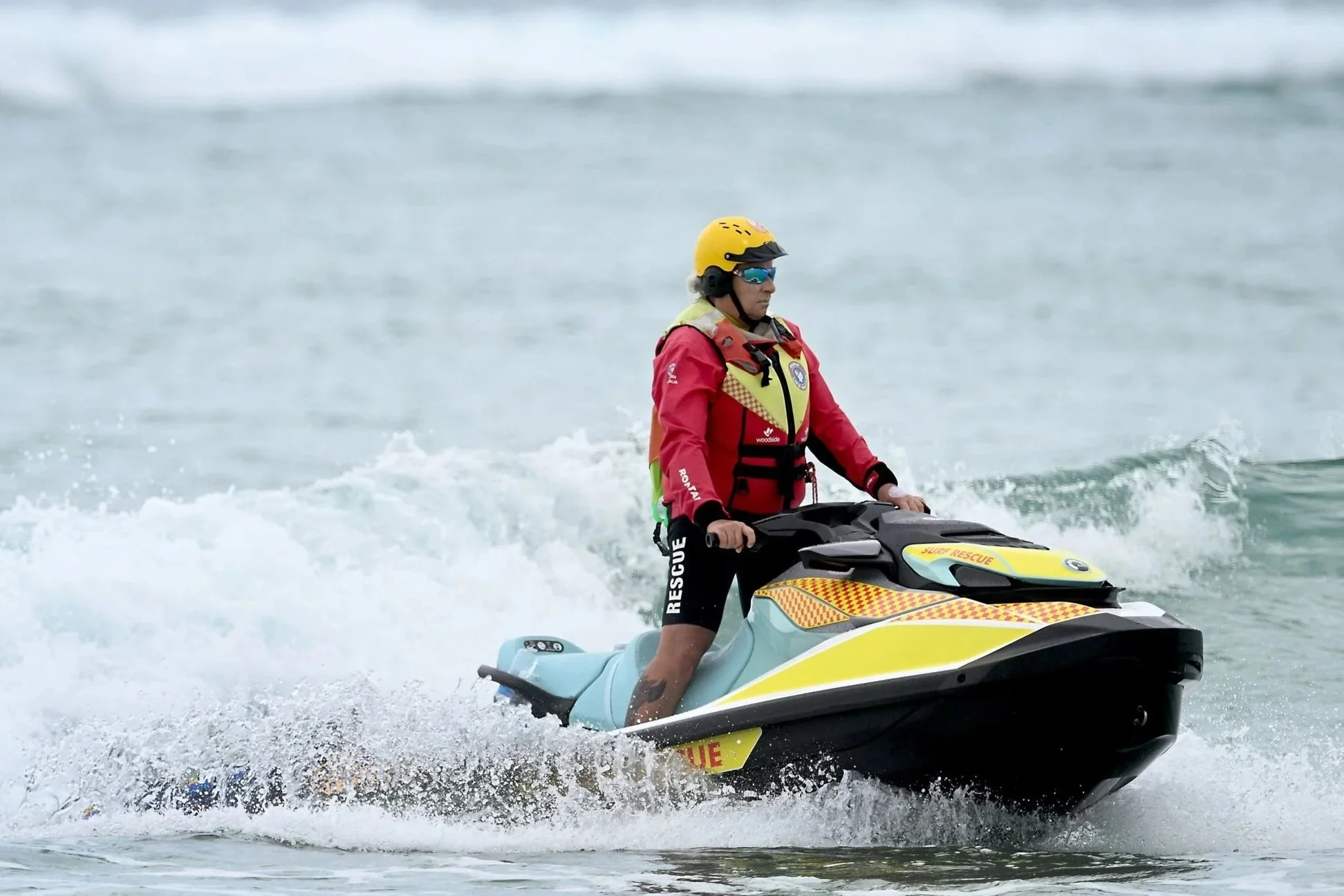
safer surf clubs
The Safer Surf Clubs Guide is a key resource for managing work health and safety (WHS) across club and VMR activities.
It supports members and clubs to:
Understand legal and ethical safety responsibilities
Identify and manage risks
Deliver activities safely and consistently
Members are also encouraged to complete the Safer Surf Clubs online course via the SLS eLearning platform to build confidence in managing safety and risk.
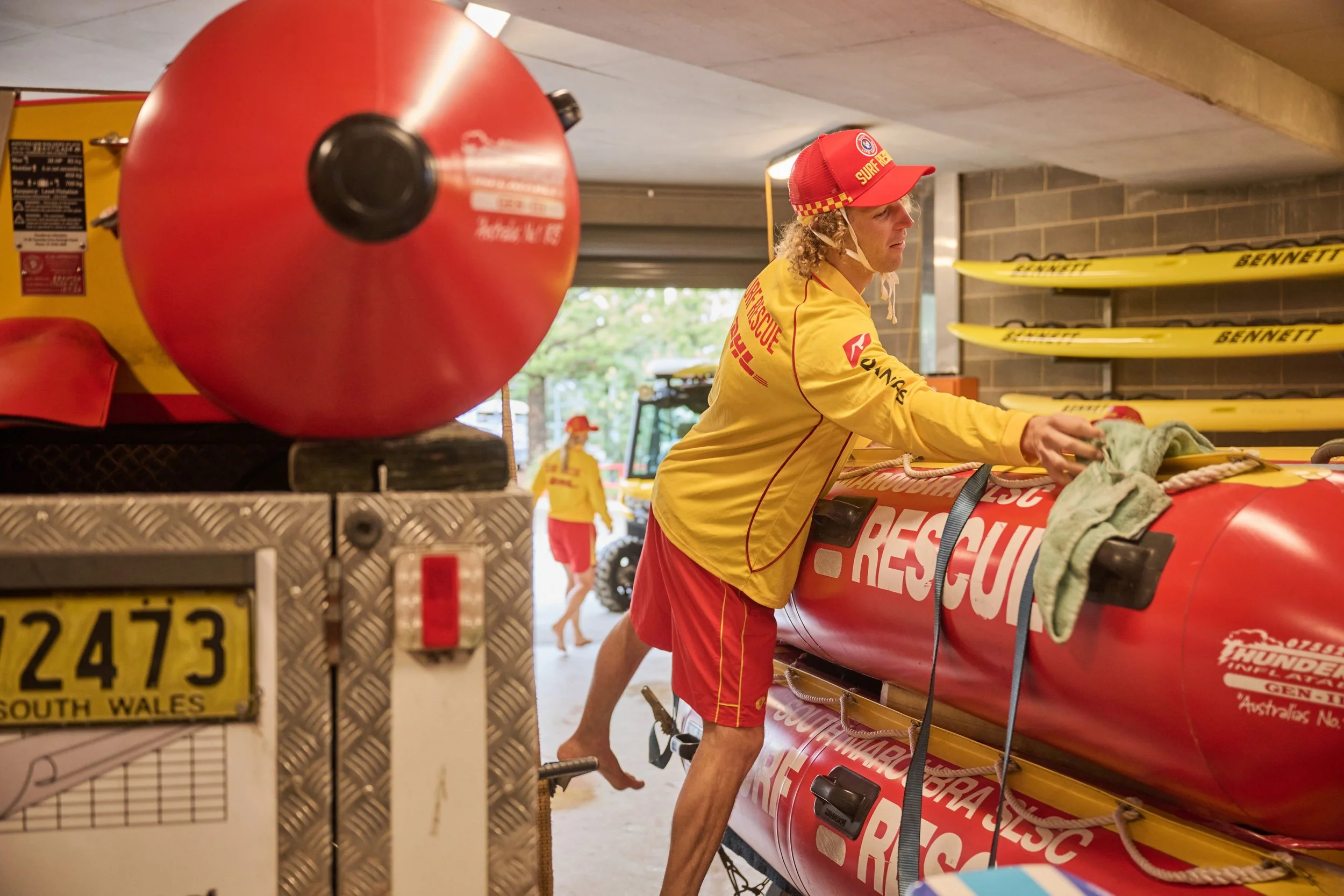
Safety training
Members are encouraged to complete the Safer Surf Clubs online course via the SLS eLearning platform.
This supports:
Understanding of WHS responsibilities
Confidence in managing risks
Safe delivery of club activities
-
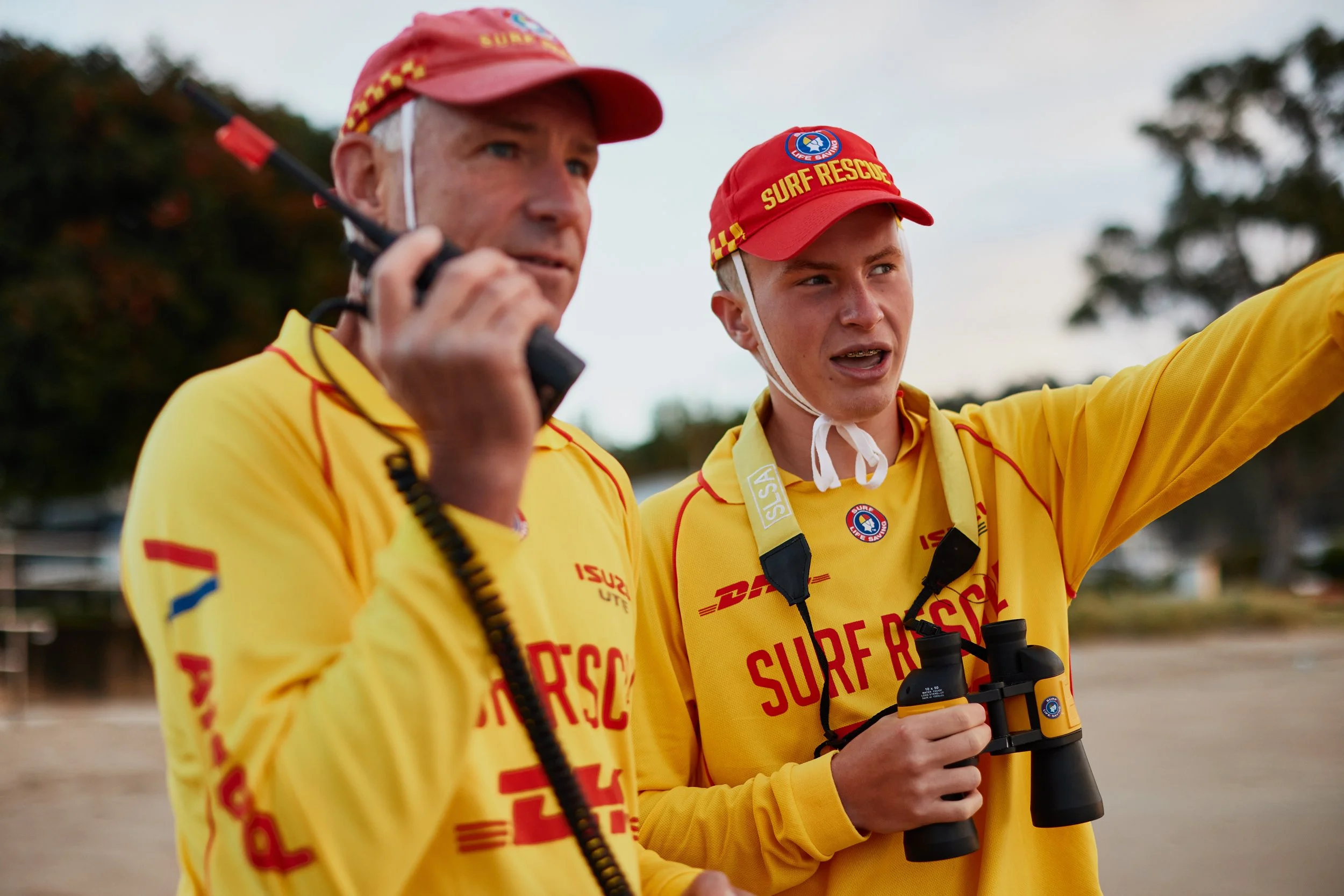
Key safety responsibilities
Clubs should ensure:
Activities are risk assessed
Conditions are monitored and managed
Appropriate supervision and water safety is in place
Incidents are reported and reviewed
Safety should guide all decision-making.
-
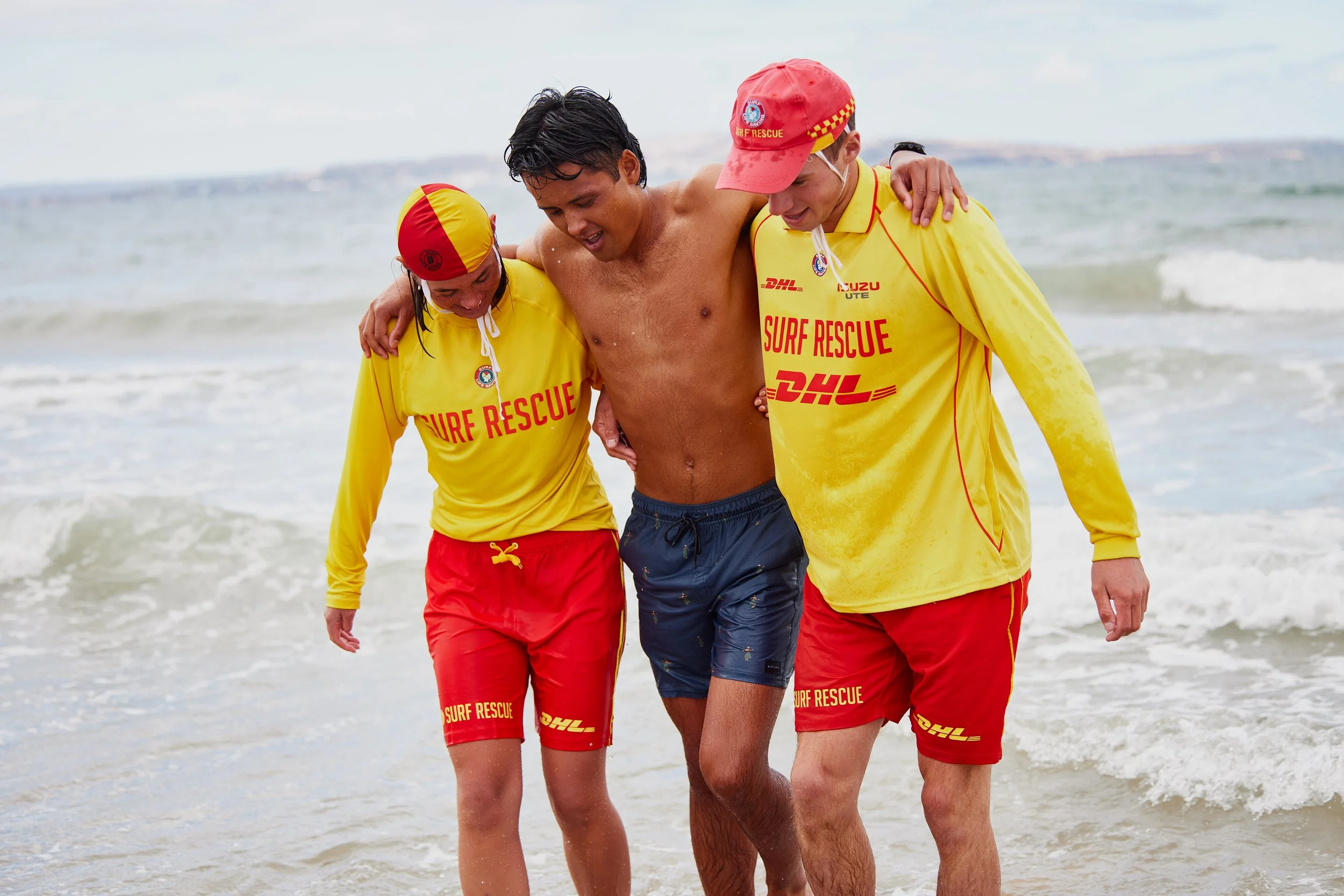
Incident Reporting & Insurance
Key tools and resources include:
SLSA Incident Report Forms
Personal Accident Insurance Claims
Special Event Application Forms
Clubs hosting events must ensure they are:
Approved where required
Properly risk assessed
Covered by appropriate insurance
-
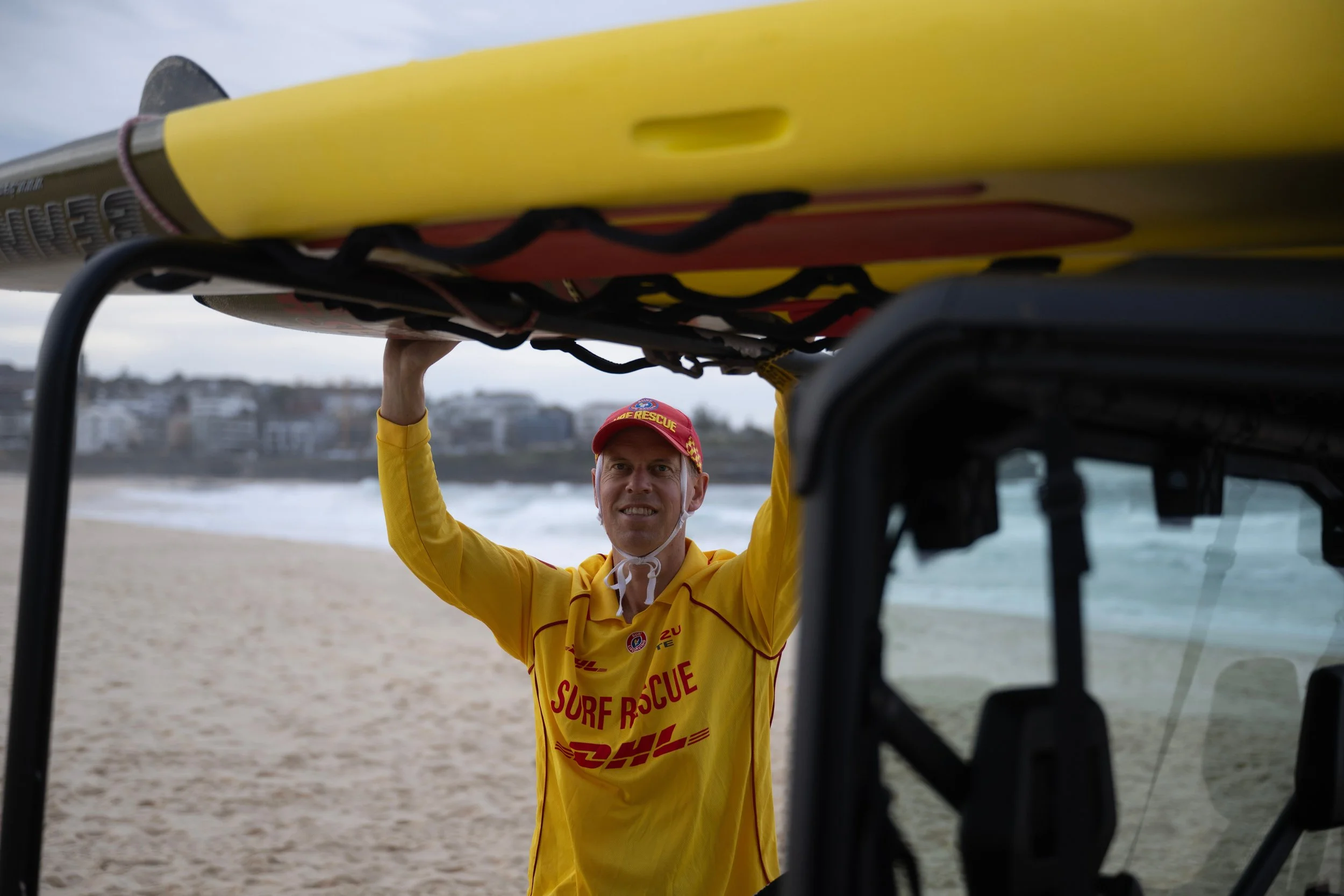
Workplace Health & Safety
Clubs should also consider broader WHS requirements, including:
Volunteer safety
Equipment use
Safe environments for members and the public
-
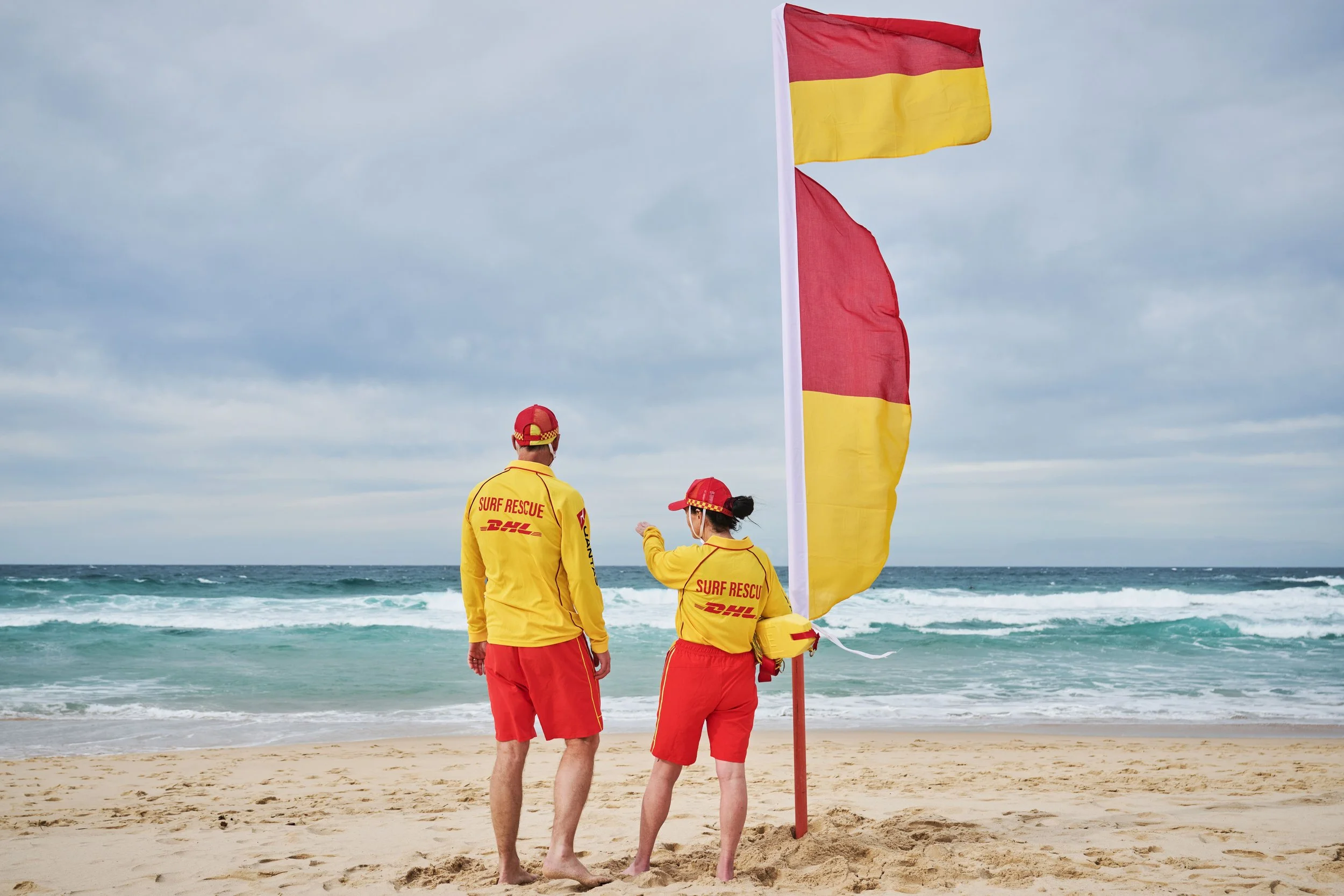
Supporting Safe Operations
Safe clubs:
Plan ahead
Manage risks
Support their volunteers
Deliver activities responsibly