
Outdoor Activity Training
outdoor training designed for real-world environments.
Whether you work in outdoor recreation, lead school or adventure programs, paddle Tasmania’s waterways, or explore remote wilderness areas recreationally, Surf Life Saving Tasmania offers practical, nationally recognised outdoor training designed for real-world environments.
From remote area first aid and wilderness response through to whitewater rescue, sea kayaking and whitewater kayak training, our courses help participants build the confidence, technical skills and emergency response capability needed to operate safely in challenging outdoor conditions.
Why train with surf life saving tasmania?
Choosing Surf Life Saving Tasmania means learning from experienced trainers with practical outdoor and rescue experience across Tasmania’s diverse environments.
Whether you’re leading groups in remote environments, paddling Tasmania’s rivers and coastlines, or simply wanting greater confidence outdoors, Surf Life Saving Tasmania can help you develop the skills to stay safer in the outdoors.
Remote Area First Aid
-
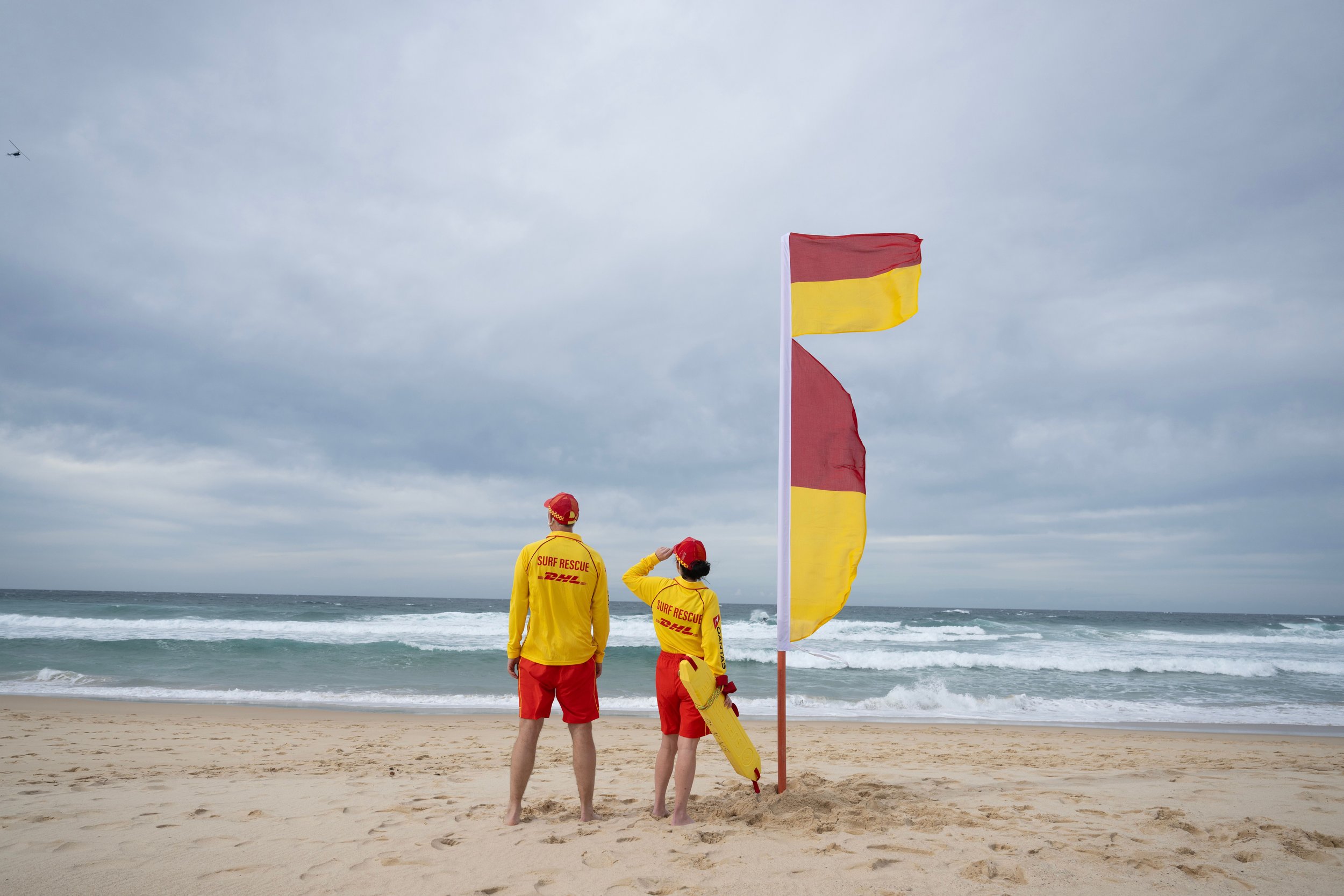
About the course
Designed for people working or recreating in isolated environments, Remote Area First Aid focuses on managing medical emergencies when professional help may be hours away.
-
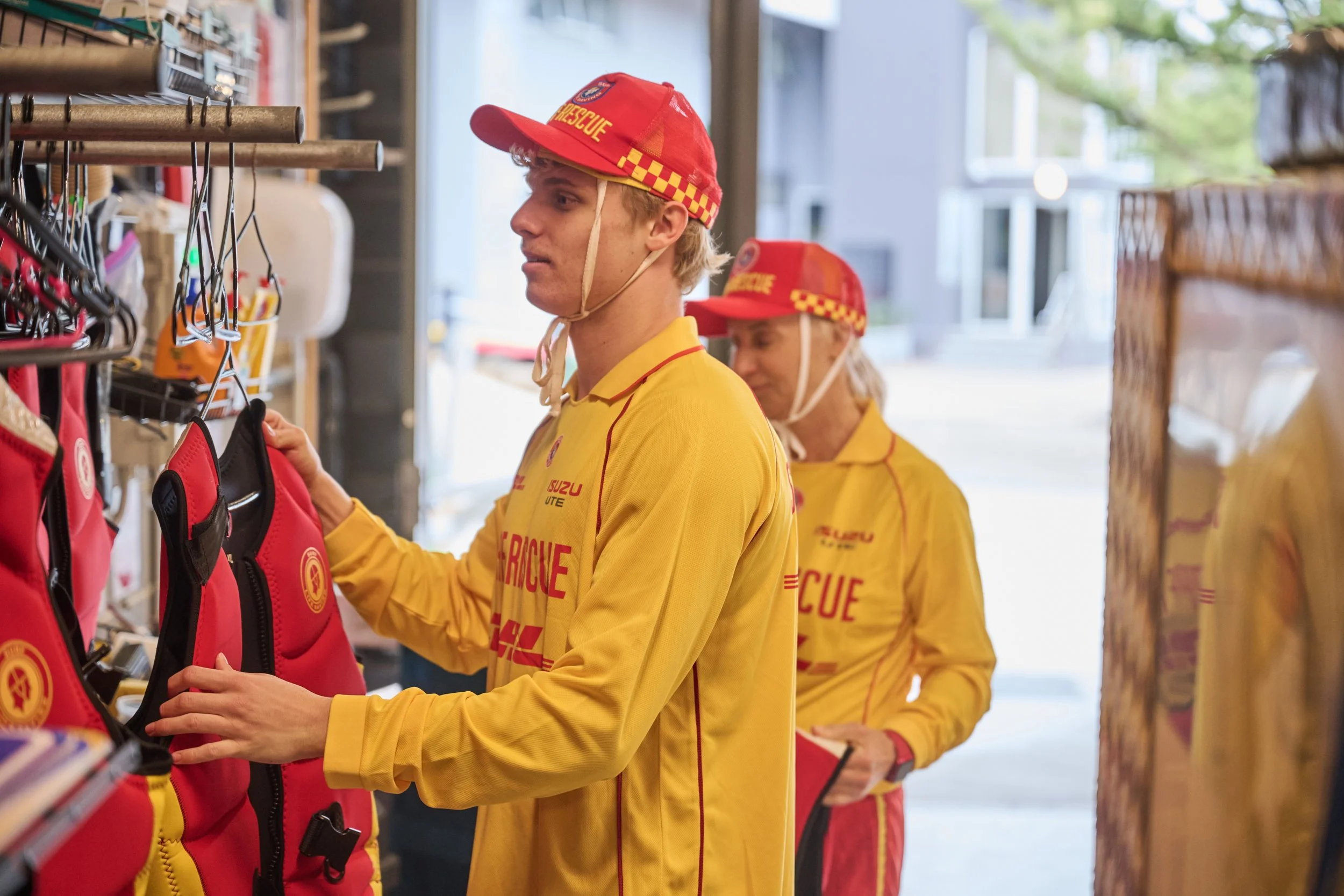
Who is this course suited to?
This course is ideal for:
Outdoor guides and instructors
Camp leaders and teachers
Bushwalkers and remote workers
Adventure tourism operators
Recreational outdoor enthusiasts
-
What does this course include?
Training includes:
Remote emergency response planning
Casualty assessment and patient care
CPR and first aid in isolated environments
Environmental injuries and exposure management
Extended patient care and evacuation considerations
Participants gain practical skills to respond confidently when operating in remote and wilderness locations.
-
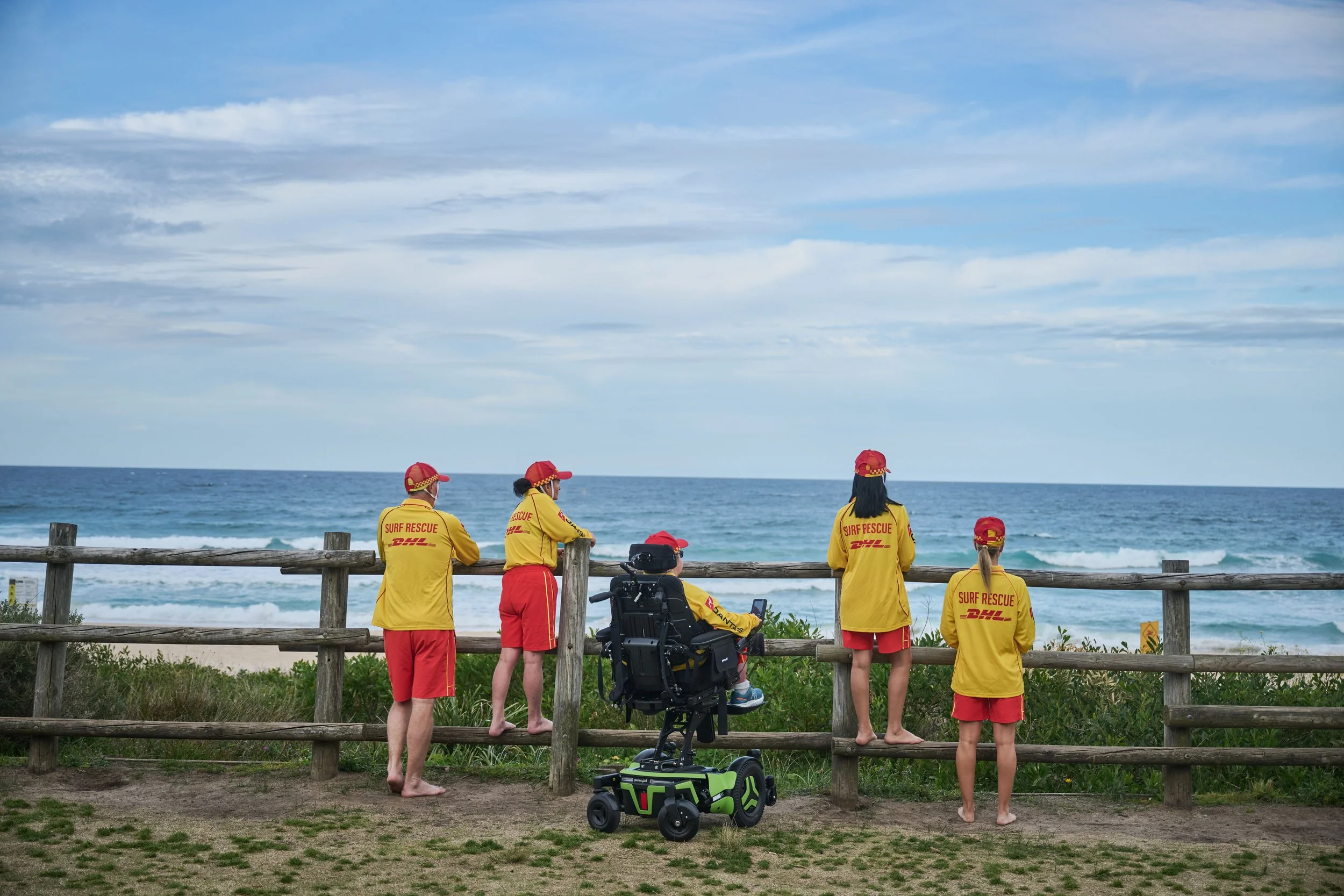
What to expect from these courses?
Our courses combine practical learning with experienced trainers to ensure participants leave with the knowledge and confidence to respond effectively in an emergency — from workplaces and sporting clubs to remote outdoor environments and aquatic locations.
Wilderness Area First Aid
-
About the course
Wilderness First Aid is designed for individuals leading or participating in outdoor activities where medical assistance may be delayed and conditions are unpredictable.
-
Who is this course suited to?
The course combines theory with practical, scenario-based learning in outdoor environments and is suited to:
Outdoor education professionals
Expedition leaders
Adventure guides
Scouts and community groups
Bushwalking and wilderness enthusiasts
-
What does this course include?
Course topics may include:
Coordinating emergency responses
Wilderness casualty management
Environmental and trauma-related injuries
Improvised treatment techniques
Patient monitoring over extended periods
Communication and evacuation planning
Wilderness First Aid courses are available as full courses and refresher programs to help participants maintain current skills and qualifications.
-
What to expect from these courses?
Our courses combine practical learning with experienced trainers to ensure participants leave with the knowledge and confidence to respond effectively in an emergency — from workplaces and sporting clubs to remote outdoor environments and aquatic locations.
Rescue 3 whitewater rescue course
-
About the course
Surf Life Saving Tasmania offers Rescue 3 International whitewater rescue training designed for paddlers, guides, emergency responders and outdoor professionals operating around moving water environments.
-
Who is this course suited to?
This course is ideal for:
Paddlers
Guides
Emergency Responders
Outdoor Professionals
-
What does this course include?
Courses include both recreational and professional-level rescue training, helping participants understand:
Swiftwater hazards and risk management
River rescue techniques
Throw bag and rope rescue systems
Self-rescue and team rescue procedures
Whitewater incident management
Rescue equipment and rescue planning
These internationally recognised Rescue 3 programs provide practical rescue experience in dynamic water environments.
-
What to expect from these courses?
Our courses combine practical learning with experienced trainers to ensure participants leave with the knowledge and confidence to respond effectively in an emergency — from workplaces and sporting clubs to remote outdoor environments and aquatic locations.
Sea Kayaking training
-
About the course
Sea kayaking courses are designed for paddlers wanting to improve confidence, safety and technical skills in coastal and open-water environments.
-
Who is this course suited to?
Sea kayaking training is suitable for beginner through to intermediate paddlers looking to safely explore Tasmania’s waterways and coastline.
-
What does this course include?
Training focuses on safe paddling practices and may include:
Paddle technique and efficiency
Coastal navigation basics
Weather and environmental awareness
Group paddling and communication
Safety equipment and trip preparation
Self-rescue and assisted rescue skills
-
What to expect from these courses?
Our courses combine practical learning with experienced trainers to ensure participants leave with the knowledge and confidence to respond effectively in an emergency — from workplaces and sporting clubs to remote outdoor environments and aquatic locations.
whitewater kayak training courses
-
About the course
Whitewater kayaking requires technical paddling ability, sound judgement and strong rescue awareness. Surf Life Saving Tasmania’s whitewater kayak training courses help paddlers safely progress their river skills in controlled learning environments.
-
Who is this course suited to?
Training is suitable for developing paddlers wanting to improve confidence and competence on moving water.
-
What does this course include?
Courses may cover:
River reading and hazard identification
Whitewater paddling techniques
Ferry gliding and eddy turns
Rolling and recovery skills
Rescue fundamentals
Trip planning and river safety
-
What to expect from these courses?
Our courses combine practical learning with experienced trainers to ensure participants leave with the knowledge and confidence to respond effectively in an emergency — from workplaces and sporting clubs to remote outdoor environments and aquatic locations.
Get In touch
If you're interested in working with Surf Life Saving Tasmania or would like to learn more about opportunities, we’d love to hear from you.