our training program
Training pathways & Capability Development
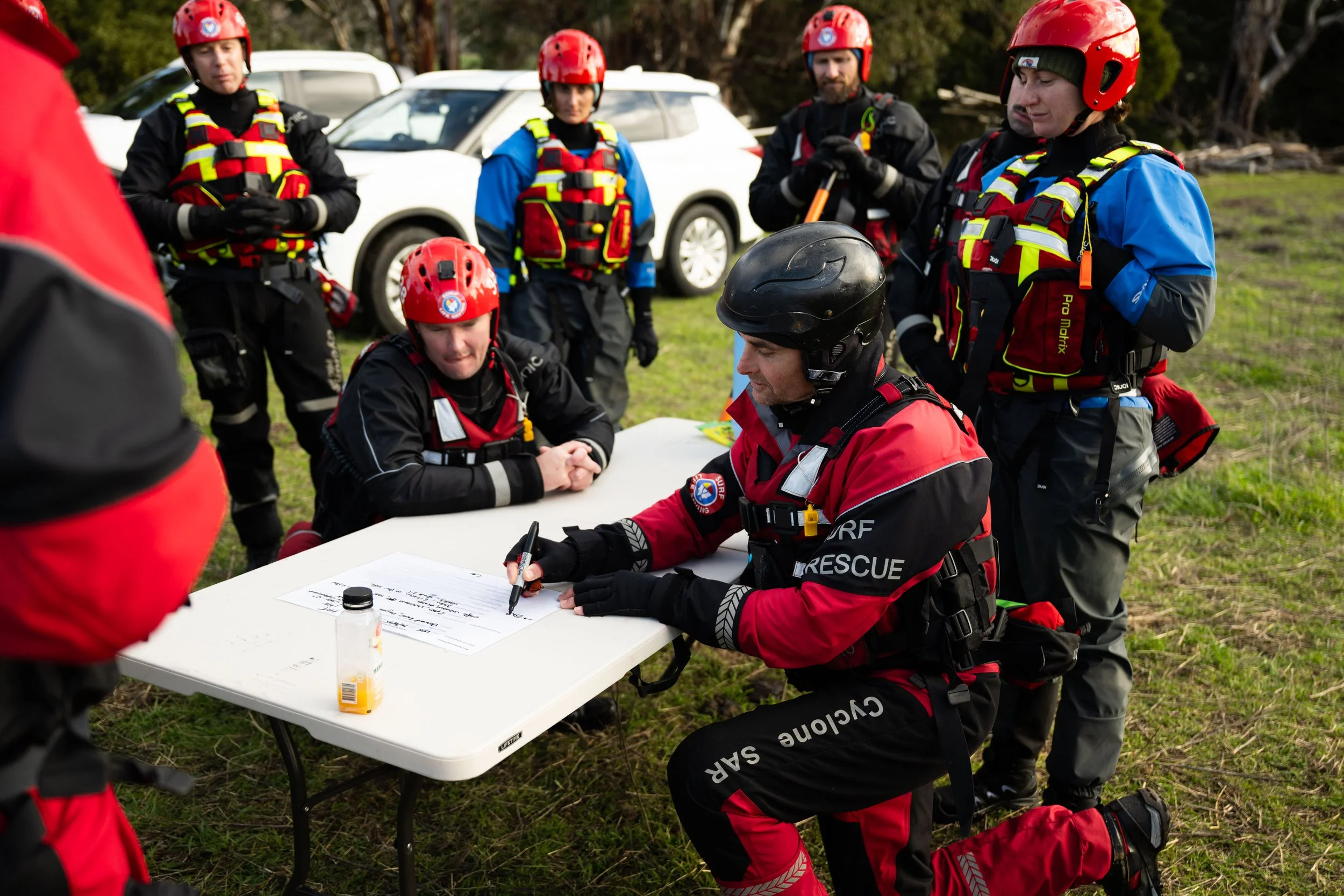
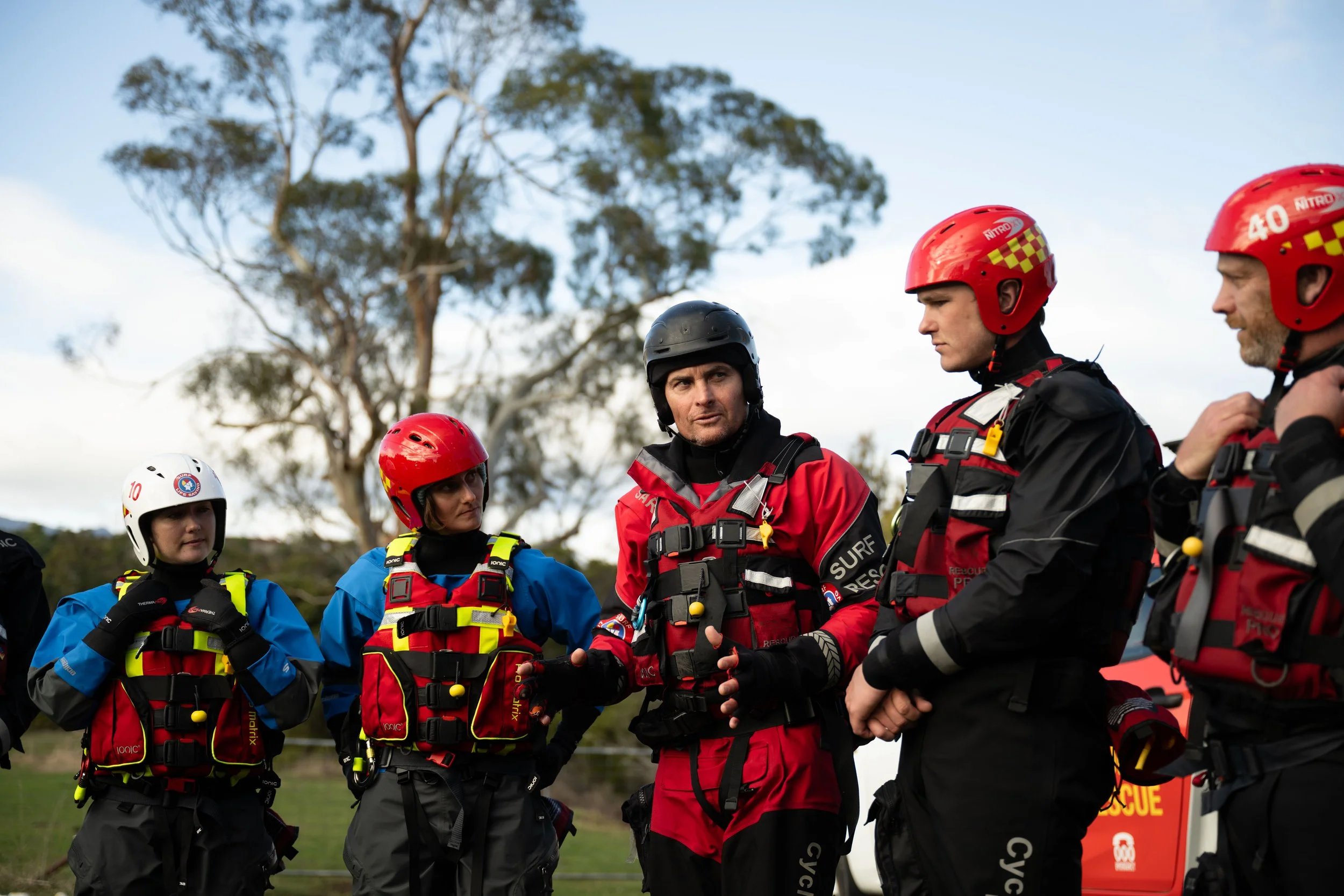
Surf Life Saving’s Centre of Excellence for Flood and Swiftwater Rescue in Tasmania delivers both a nationally recognised and internationally benchmarked training to prepare volunteers for emergency flood and swift water response.
Through a partnership with the Australian Lifesaving Academy (ALA), the Centre offers a structured pathway from foundational awareness through to advanced technical rescue. Many programs are aligned with nationally recognised units of competency (e.g. Flood Rescue Responder with PUASAR001), allowing participants to gain formal qualifications while strengthening their operational readiness.
Training combines online learning, face-to-face instruction, and annual skills maintenance to ensure continuous professional development. The level of training undertaken by each organisation can be tailored to the operational needs and emergency response arrangements of each agency or region.
Courses include:
Flood Water Awareness
Flood Rescue Responder (FRR)
Flood Boat Operator (FBO)
Swiftwater Rescue Technician (SRT)
Swiftwater Boat Operator (SBO)
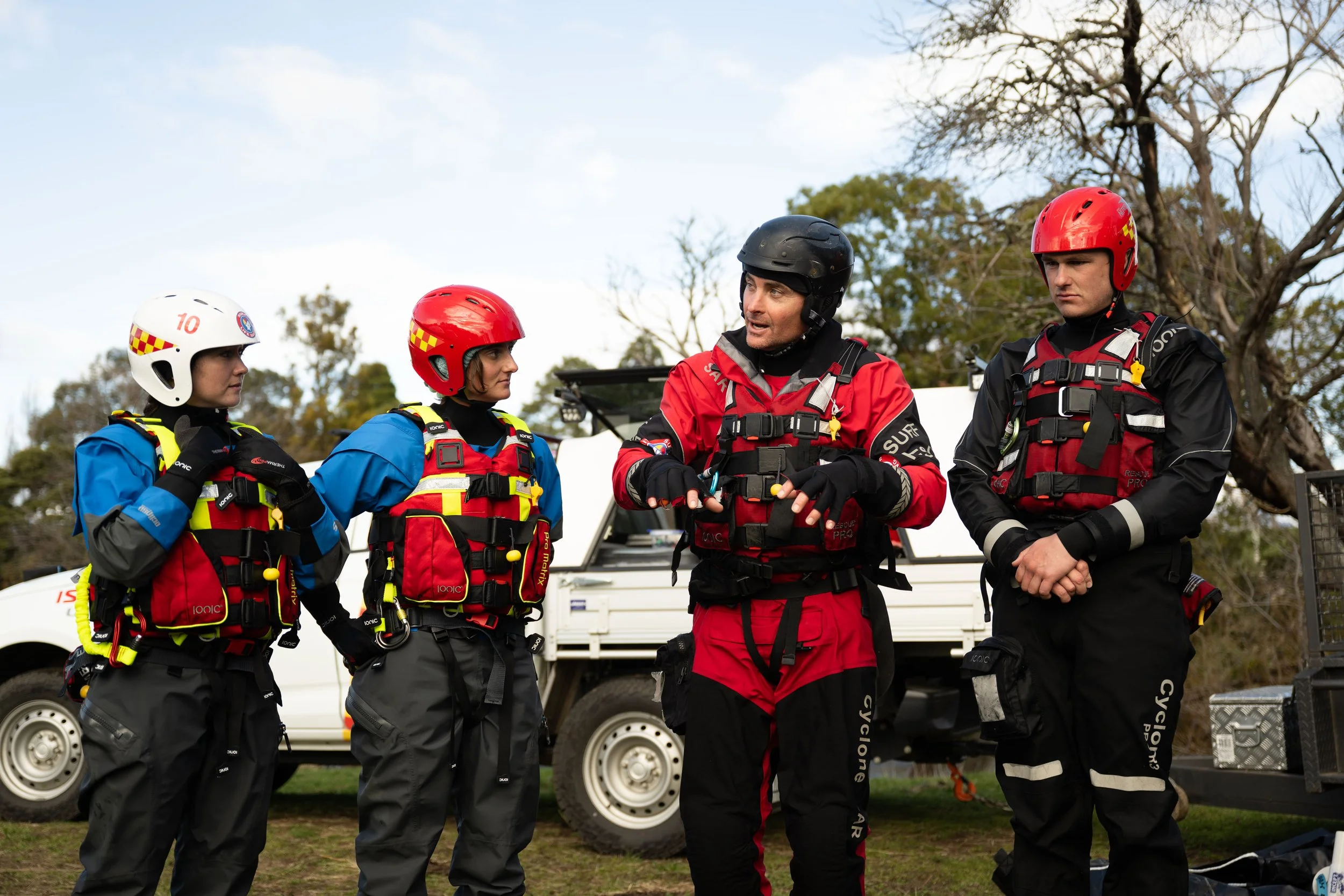
International, National and interagency partnerships
The Centre of Excellence has a strong national and interagency focus. SLST works with:
Surf Life Saving state/territory entities to ensure consistency in training and standards, and to support surge capacity nationally
State/Territory and national emergency service agencies — including Tasmania Police, SES, Ambulance Tasmania, Victoria Police, and others — to support coordinated flood response operations
Represents SLSA in AFAC groups including the Swift Water Rescue Guideline review working group and the Australian Professional Swiftwater Responder Association (APSRA).
Surf Life Saving Australia to establish national standards for PPE, equipment, and team typing for flood rescue
International Life Saving Federation and key members within flood and swiftwater rescue.
International suppliers and researchers on best practice, research and evidenced based innovation/equipment
Moderation and validation with international agencies leading in flood and swiftwater rescue aligning with Dept for Environment, Food & Rural Affairs (Defra – UK and Europe standard for FSWR) and the Federal Emergency Management Agency of the US (FEMA).
The Centre also provides specialist training to external agencies, further strengthening Tasmania’s and Australia's collective emergency response capability.
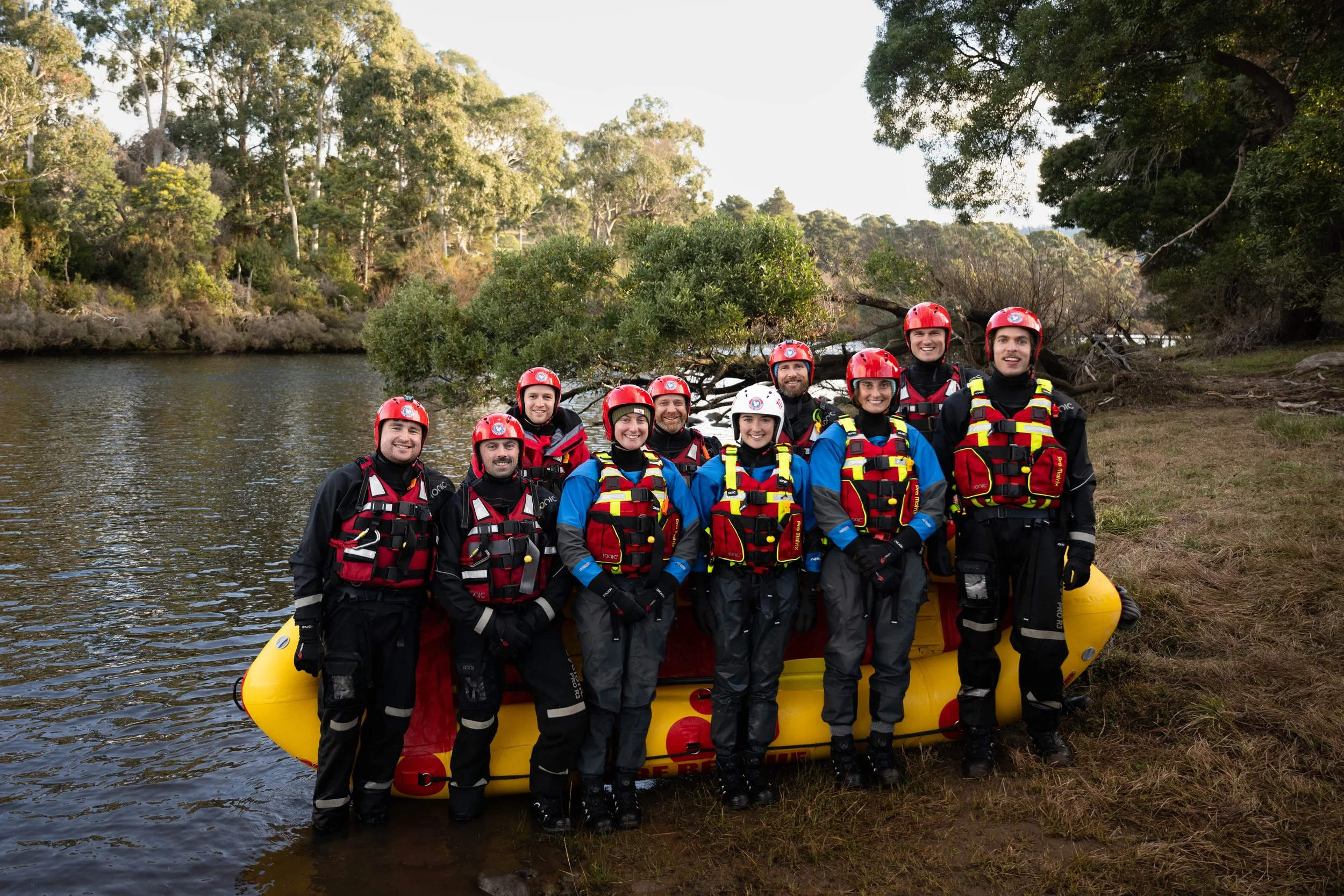
RPL and Credit Transfer
Candidates who already hold relevant experience or qualifications may be eligible for:
RPL (Recognition of Prior Learning) – for those with existing experience
Credit Transfer – for those who’ve completed equivalent nationally recognised training
To explore these options, candidates can contact Surf Life Saving Tasmania for support.
Articulated credit pathway overview
To support skill development and formal recognition, an articulated credit pathway is offered through the ALA. This allows participants who complete selected Surf Life Saving training — such as the Flood Rescue Responder or Swiftwater Rescue Technician courses — to be granted credit toward nationally recognised Units of Competency, without needing to duplicate learning.
This administrative process maps the outcomes of SLSA training awards to accredited units and provides eligible participants with formal certification upon enrolment. Eligible participants are enrolled with the ALA to receive certification for the relevant unit of competency.